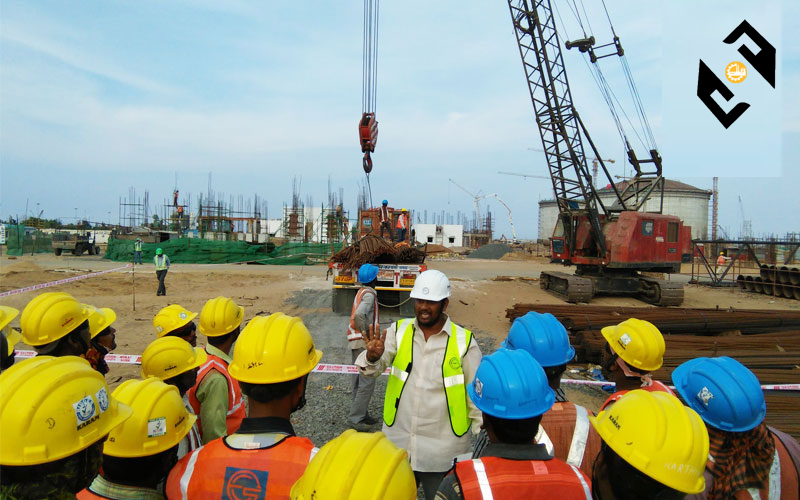
Rigging safety plays a critical role in industries where heavy loads are lifted, moved, and positioned using cranes, hoists, chain pulley blocks, slings, shackles, and other lifting tools. In sectors such as construction, manufacturing, oil and gas, infrastructure, warehousing, and engineering projects, even a small mistake during lifting can lead to serious accidents, equipment damage, production loss, and injuries. This is why rigging safety training in Hyderabad has become essential for companies that want safer workplaces, skilled operators, and better compliance with industrial safety standards.
At Ability IndSafe, we understand that rigging is not just about attaching a load and lifting it. It requires proper planning, correct selection of lifting accessories, understanding of load weight, centre of gravity, sling angles, equipment capacity, inspection methods, and clear communication between riggers, crane operators, hydra operators, forklift operators, and supervisors. With the right training, industries can significantly reduce lifting-related risks and improve overall safety performance.
What Is Rigging Safety Training?
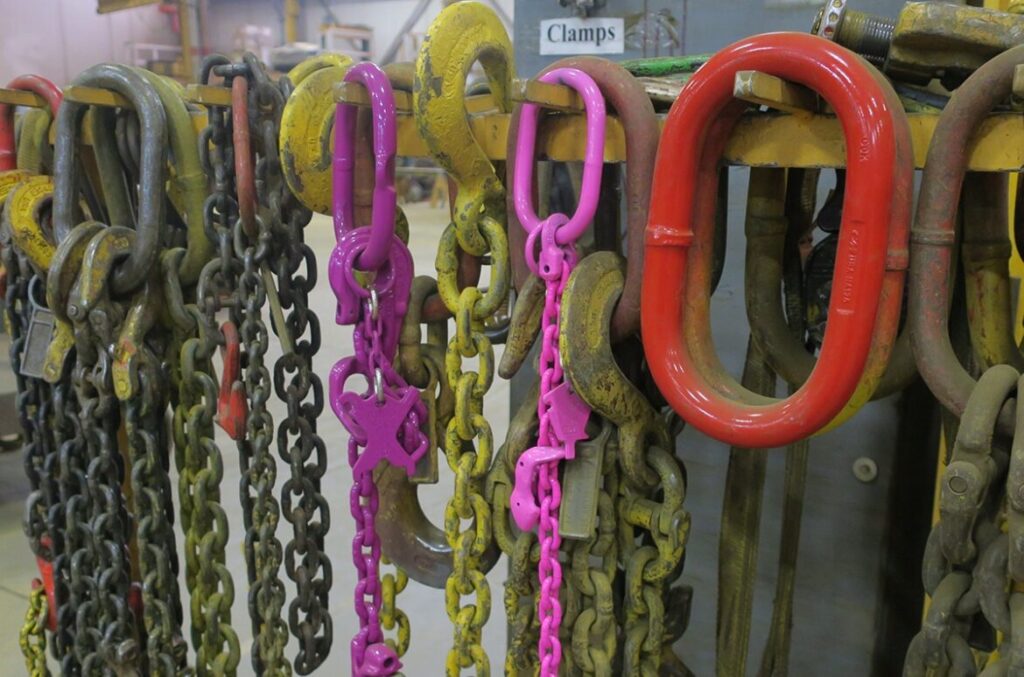
Rigging safety training is a specialized industrial safety program designed to teach workers how to lift, move, secure, and handle loads safely using proper rigging techniques and lifting equipment. It helps participants understand the safe use of wire rope slings, webbing slings, chain slings, D shackles, turnbuckles, eye bolts, bulldog clips, hoists, chain pulley blocks, and cranes.
The purpose of rigging training is to ensure that every lifting activity is carried out in a controlled and safe manner. A trained rigger knows how to assess the load, select the correct sling, identify hazards, inspect tools and tackles, use knots properly, determine load balance, and coordinate safely with machine operators.
Why Rigging Safety Training Is Important
Many lifting accidents happen because of avoidable mistakes. These include using the wrong sling, lifting beyond safe capacity, incorrect angle calculation, poor inspection, unbalanced loads, damaged accessories, and lack of communication between workers. Proper rigging safety training helps prevent these issues before they lead to accidents.
Rigging safety training is important because it:
- reduces workplace accidents during lifting operations
- improves knowledge of safe lifting practices
- helps workers inspect lifting tools correctly
- prevents overloading and equipment misuse
- improves coordination between riggers and operators
- supports compliance with industrial safety requirements
- reduces downtime and damage to materials and machinery
For industries in Hyderabad, where heavy equipment handling is common in multiple sectors, trained riggers and lifting personnel are a major safety advantage.
Who Needs Rigging Safety Training?
Rigging safety training is useful for all personnel involved in lifting and material handling operations. This includes:
- riggers
- crane operators
- hydra operators
- EOT crane operators
- forklift operators
- lifting supervisors
- maintenance teams
- site engineers
- safety officers
- warehouse and logistics personnel
Any worker involved in load lifting, sling usage, hoist operation, or equipment inspection should have proper rigging knowledge.
Key Topics Covered in Rigging Safety Training
A good rigging safety program should combine theory with practical examples. The training should prepare workers to handle real industrial lifting situations safely and efficiently.
1. Basics of Safe Lifting
Participants learn the fundamentals of lifting operations, including risk assessment, load movement planning, lifting area safety, and standard lifting precautions.
2. Types of Slings and Their Uses
Training includes proper use of:
- wire rope slings
- webbing slings
- chain slings
Workers learn how each sling type is used, where it is suitable, what its limitations are, and how to inspect it before use.
3. Sling Angles and Load Distribution
One of the most important parts of rigging is understanding how sling angle affects load tension. When the angle changes, the force on the sling also changes. Training helps riggers understand why improper sling angles can create dangerous lifting conditions.
4. Centre of Gravity
A load must be balanced before lifting. Training explains how to identify the centre of gravity and why it is important for stable and controlled lifting.
5. Inspection of Tools and Tackles
Rigging safety training includes inspection methods for:
- D shackles
- eye bolts
- turnbuckles
- chains
- bulldog clips
- hooks
- chain pulley blocks
- lifting accessories
Participants learn how to identify wear, damage, deformation, corrosion, and unsafe conditions.
6. Knots and Rigging Methods
Different lifting situations require different rigging methods. Practical training in knots and rigging arrangements helps workers secure loads correctly and avoid shifting or slipping during lifting.
7. Load Charts and Capacity
For crane operators and lifting teams, understanding the load chart is essential. Training explains how rated capacity changes with boom length, radius, and lifting configuration.
8. Chain Pulley Block Use and Inspection
Workers are trained on chain pulley block assembly, disassembly, operation, inspection, problem identification, and rectification methods.
9. Communication and Signals
Safe lifting requires clear communication between the rigger and the operator. Standard hand signals and basic lifting communication methods are an important part of training.
Common Rigging Hazards in Industrial Workplaces
Without proper safety training, several hazards can occur during lifting operations. Some of the most common rigging risks include:
- lifting overloaded materials
- using damaged slings or accessories
- improper rigging arrangement
- unstable or shifting loads
- incorrect centre of gravity
- poor communication with crane or hydra operators
- lack of inspection before lifting
- standing under suspended loads
- wrong use of hooks, shackles, and turnbuckles
These hazards can cause injuries, dropped loads, machine damage, and costly project delays.
Best Practices for Safe Rigging Operations
Industries should follow safe rigging practices on every lifting job. Some important best practices include:
- inspect all lifting accessories before use
- verify the weight of the load
- choose the correct sling and attachment method
- check the working load limit of every component
- understand sling angles before lifting
- identify the centre of gravity
- use proper hand signals and communication
- keep unauthorized persons away from lifting zones
- never stand below a suspended load
- stop lifting work immediately if any unsafe condition is noticed
These practices become much more effective when supported by proper training and supervision.
Why Industries in Hyderabad Need Rigging Safety Training
Hyderabad has a growing industrial base with activities involving manufacturing, pharmaceuticals, engineering, warehousing, infrastructure development, and material handling. Many industries use cranes, hoists, chain pulley blocks, forklifts, hydras, and rigging accessories for daily operations. In such environments, untrained lifting personnel can create major safety risks.
Rigging safety training helps industries in Hyderabad:
- improve workforce competence
- reduce lifting accidents
- strengthen safety culture
- improve inspection awareness
- maintain safe handling of heavy equipment
- support better operational control
For companies that regularly perform lifting operations, investing in training is not optional anymore. It is a practical requirement for safe work.
How to Choose the Right Rigging Safety Training Provider in Hyderabad
When selecting a training provider, industries should look for practical knowledge, real industrial experience, and a program that goes beyond basic theory. A good provider should offer training that is relevant to the actual work environment of the participants.
Look for a training company that provides:
- industry-experienced trainers
- practical lifting examples
- training on slings, tools, tackles, and equipment inspection
- operator-focused safety sessions
- real workplace risk scenarios
- structured training for riggers and lifting teams
The more practical the training, the better the results in the workplace.
Ability IndSafe for Rigging Safety Training in Hyderabad
Ability IndSafe is an industrial safety training company based in Hyderabad, Telangana, with extensive experience in industrial safety, lifting operations, and practical technical training. The organization focuses on delivering the right training for the right job and helping industries build safer work environments.
Ability IndSafe provides training and safety services related to rigging, lifting operations, crane and hydra operation awareness, sling usage, tools and tackles inspection, chain pulley blocks, and safe load handling practices. With a practical industry-oriented approach, the training is designed to help workers understand real job-site conditions and improve their competence in lifting safety.
Conclusion
Rigging is a high-risk activity that should only be performed by trained and competent personnel. Safe lifting depends on knowledge, planning, inspection, communication, and the correct use of equipment. Whether it is a crane lift, hydra operation, chain pulley block usage, or sling selection, every step matters.
For industries looking to improve lifting safety, reduce accidents, and build skilled teams, rigging safety training in Hyderabad is a valuable investment. Proper training not only protects workers but also improves productivity, equipment care, and overall workplace safety standards.
If your organization is looking for practical rigging safety training for riggers, crane operators, hydra operators, forklift operators, and lifting teams, Ability IndSafe can help with professional industry-focused training solutions.